Darknet Markets 2026:
The dark web is part of the deep web but is built on darknets: overlay networks that sit on the internet but which can't be accessed without special tools or software like Tor. Tor is an anonymizing software tool that stands for The Onion Router — you can use the Tor network via Tor Browser.
| Darknet Market | Established | Total Listings | Link |
|---|---|---|---|
| TorZon Market | 2022 | 140+ | Onion Link |
| Nexus Market | 2024 | 600+ | Onion Link |
| Abacus Market | 2022 | 100+ | Onion Link |
| Ares | 2026 | 100+ | Onion Link |
| Cocorico | 2023 | 110+ | Onion Link |
Updated 2026-10-28
Easy Access to Drugs on the Darknet
The evolution of darknet markets by 2025 has fundamentally transformed access to psychoactive substances. These platforms now function as sophisticated digital pharmacies, offering an unprecedented variety of products that cater to specific user requirements. The inventory is systematically organized, allowing for precise searches based on substance type, purity, dosage form, and geographic origin.
This level of organization and choice was previously unattainable. Users can compare products from multiple international vendors without the risks associated with traditional street procurement. The environment is transactional and information-rich, with detailed product listings that include chemical analysis reports and standardized dosage information. This shift represents a move towards a consumer model where choice, information, and safety are prioritized, facilitated by the inherent privacy of the darknet.
How Encryption Keeps Darknet Trades Private and Secure
The operational security of darknet markets in 2025 is fundamentally dependent on advanced cryptographic protocols. These systems ensure that every transaction and communication remains confidential and tamper-proof. Market platforms now implement end-to-end encryption (E2EE) by default for all private messages between users and vendors, meaning the content is encrypted on the sender's device and only decrypted on the recipient's device. This prevents even the market administrators from accessing the substance of conversations, which typically include shipping details and order specifics.
Beyond messaging, the entire connection to a market is secured using updated and robust versions of Transport Layer Security (TLS). This is the same technology that protects online banking, creating a secure tunnel between the user's browser and the market server. In 2025, these implementations actively resist quantum computing decryption attempts, utilizing post-quantum cryptography to future-proof user data. The result is a trading environment where the privacy of all participants is technically guaranteed, fostering a climate of trust necessary for commerce. The encryption acts as an impenetrable layer of privacy, making the act of negotiating and finalizing a purchase as secure as any confidential financial transaction on the surface web.
Private Crypto Payments for Secure Darknet Purchases
The evolution of cryptocurrency payment systems is a central pillar of the modern darknet ecosystem. These digital currencies provide a layer of financial abstraction that is critical for operational security. Transactions are recorded on a public ledger, the blockchain, but the identities of the parties involved are represented by cryptographic addresses, not personal names. This creates a fundamental disconnect between the transaction of value and real-world identity.
Markets in 2025 have moved beyond basic Bitcoin transactions, which are now seen as having pseudonymous rather than fully anonymous qualities. The widespread adoption of privacy-focused coins like Monero (XMR) and Zcash (ZEC) has become standard. These cryptocurrencies use advanced cryptographic techniques such as ring signatures and zk-SNARKs to obfuscate transaction details, making the sender, receiver, and amount virtually untraceable on the blockchain. This provides a significant security upgrade for both buyers and vendors.
The payment process is integrated directly into the market's escrow system. A typical transaction follows a clear sequence:
- The buyer selects a product and initiates an order.
- The market's software generates a unique cryptocurrency address for that specific transaction.
- The buyer sends the exact amount, often with a dynamically calculated network fee for prompt confirmation, to this one-time address.
- The funds are held in a multi-signature escrow wallet, requiring at least two of three keys (buyer, vendor, market) to be released, which prevents scams.
- Upon delivery confirmation, the funds are automatically released to the vendor, minus the market's commission.
This automated, trust-minimized framework removes the need for interpersonal financial dealings and reduces human error. The use of cryptocurrency thus transforms payment from a point of vulnerability into a streamlined, secure, and anonymous step within the broader procurement workflow.
Better Search for Finding What You Need on the Darknet
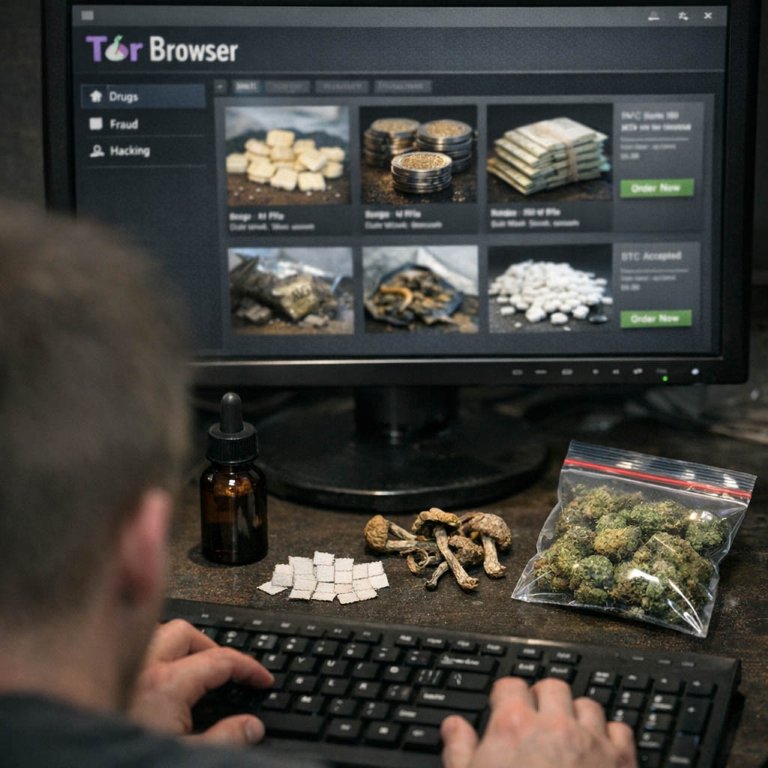
The evolution of search functionality on darknet markets in 2025 represents a significant leap in user-centric design. Modern platforms employ semantic search algorithms that understand user intent beyond simple keywords. A search for a specific pharmaceutical, for instance, will intelligently include relevant generic alternatives and correct common misspellings, drastically reducing failed queries.
Filtering systems have become exceptionally granular. Users can refine results by:
- precise substance purity percentage
- vendor geographical location for shipping estimates
- price per standard unit of weight
- real-time stock availability
Furthermore, search results are dynamically prioritized by a combination of vendor reputation score, historical sales data, and buyer review sentiment. This ensures that the most reliable and high-quality listings are presented first, embedding a layer of trust and quality assurance directly into the discovery phase. The system learns from aggregate user behavior, continuously improving result relevance and making the platform more intuitive with each use.
How Vendor Ratings Make Darknet Shopping Safer
Vendor rating systems on darknet markets in 2025 have evolved into sophisticated trust mechanisms that directly enhance transactional security and user confidence. These systems aggregate quantitative and qualitative feedback from previous transactions, creating a transparent reputation score for each seller. A vendor's rating is typically composed of several key metrics:
- Product quality score, based on chemical purity and accuracy of the product description.
- Shipping and stealth score, evaluating packaging discretion and delivery speed.
- Communication score, reflecting the vendor's responsiveness and professionalism.
This multi-faceted approach allows buyers to make informed choices by comparing detailed performance histories. High-rated vendors maintain their status through consistent reliability, which incentivizes ethical business practices. The system functions as a self-regulating quality control mechanism within the marketplace. Buyers can filter search results by vendor rating, instantly prioritizing sellers with proven track records. Detailed review sections often include photographs of received products and notes on shipping times, providing concrete data beyond a simple star rating. This environment reduces the risk of fraud, as new or poorly performing vendors are easily identifiable, while established vendors have a clear economic incentive to protect their reputation. The result is a more predictable and secure purchasing process where informed decisions are supported by collective user experience.
Safe and Easy Escrow for Darknet Shopping
The evolution of escrow services on darknet markets by 2025 represents a fundamental pillar for transactional security and trust. These systems function as a neutral third party, holding the buyer's cryptocurrency payment in reserve until the ordered goods are confirmed as delivered. This mechanism directly addresses the inherent risks of remote, anonymous commerce, creating a balanced environment where both parties are incentivized to act honestly.
The operational model is streamlined for user confidence. Upon order placement, funds are locked in a multisignature escrow wallet. Release requires authorization from at least two of the three parties involved: the buyer, the vendor, and the market's automated arbitration system. This structure prevents vendors from accessing funds without shipping and deters buyers from attempting to fraudulently reclaim payments after receiving their orders. Disputes are managed through a structured process where evidence, such as shipping proof or product photos, can be submitted for review by impartial market moderators.
The technical implementation of these services has advanced significantly. Modern escrow is integrated with:
- Automated finalize early (FE) options for trusted, high-rated vendors, speeding up cash flow.
- Transparent timers and status updates that keep all parties informed at each stage.
- Decentralized arbitration pools to reduce the risk of market administrator corruption.
This sophisticated framework minimizes financial loss, reduces scams, and establishes a reliable foundation for repeated transactions, which is essential for the sustained operation and growth of any darknet marketplace. The result is a commercial ecosystem where security is built into the transaction process itself.
Decentralized Hosting Keeps Markets Running Smoothly
The evolution of darknet market infrastructure has directly addressed the historical vulnerability of centralized servers. Previous marketplaces were single points of failure; a law enforcement takedown of the main server would result in the immediate loss of the entire platform, user funds held in escrow, and vendor stores. The shift to decentralized hosting in 2025 utilizes distributed technologies, such as peer-to-peer networks and content-addressable storage, to eliminate this central server.
This architectural change means the market's operational data is replicated across a vast, global network of participant nodes. No single entity controls or hosts the complete marketplace. Consequently, the platform gains inherent resilience and stability. A takedown attempt against one or several nodes does not affect the network's overall availability, as the remaining nodes continue to synchronize and serve the marketplace data. This creates a persistent trading environment where both vendors and buyers can engage with significantly reduced risk of sudden, catastrophic loss.
The practical outcome is a more reliable commercial ecosystem. Vendor shops remain online consistently, building long-term reputation and customer loyalty. Dispute resolution and escrow services can proceed without the threat of abrupt termination. This stability fosters trust and encourages higher-quality service, as all participants are assured the platform itself is not a transient or high-risk element of the transaction. The market's durability becomes a foundational feature, supporting all other security and convenience mechanisms.
A Smooth Shopping Trip on the Darknet
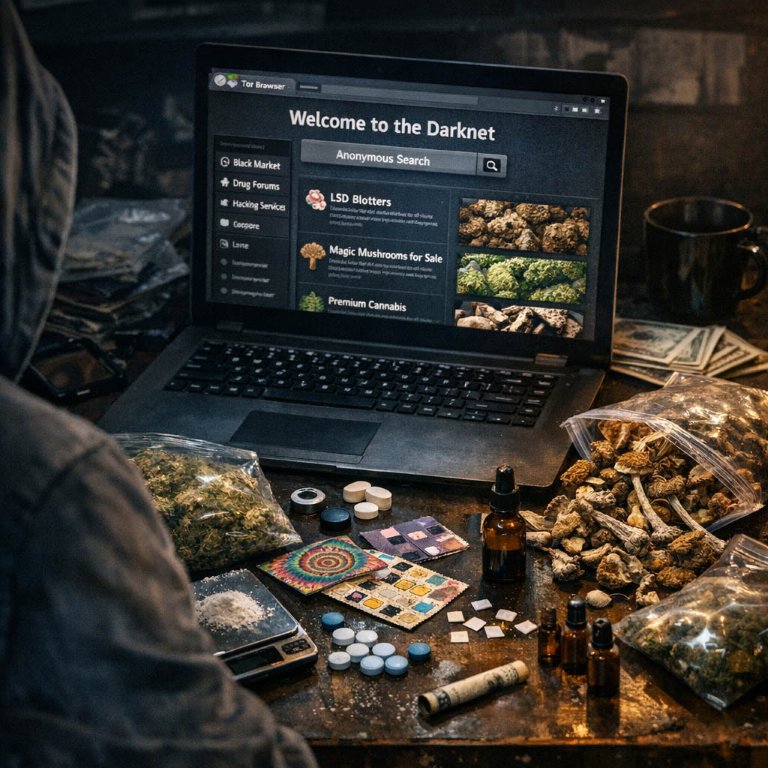
The evolution of darknet markets by 2025 has culminated in a user experience that rivals mainstream e-commerce platforms. The process from discovery to final delivery is now highly optimized, removing previous technical barriers and creating a seamless flow. This begins with improved search functions that utilize sophisticated filtering, allowing users to quickly locate specific substances based on purity, quantity, vendor location, and price. These systems learn from user behavior to provide more accurate results over time.
Once a product is selected, the vendor rating system offers transparent, data-driven insights into reliability and product quality. This system, built on thousands of transactions, minimizes uncertainty for the buyer. The subsequent financial transaction is secured through the mandatory use of cryptocurrency and robust escrow services. The escrow holds payment until the buyer confirms receipt, which fundamentally protects both parties and builds institutional trust within the platform.
The entire interaction is protected by advanced encryption for all communications and transaction details, ensuring privacy. Furthermore, the adoption of decentralized hosting for the markets themselves significantly increases uptime and resistance to takedowns, contributing to overall market stability and user confidence. The culmination of these featuresintuitive search, trusted vendor metrics, secured financials, and protected communicationscreates a cohesive and efficient environment. This integrated approach standardizes the acquisition process, making it predictable, secure, and straightforward for the user from the initial search to the final purchase.